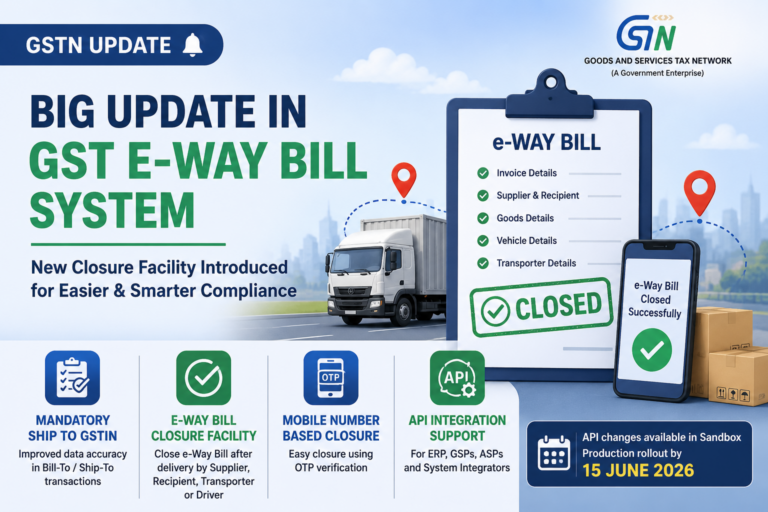
GSTN has introduced major changes in the e-Way Bill system, including a new e-Way Bill Closure Facility and mandatory “Ship To GSTIN” requirement in Bill-To/Ship-To transactions. The update aims to improve transparency, tracking of goods movement…
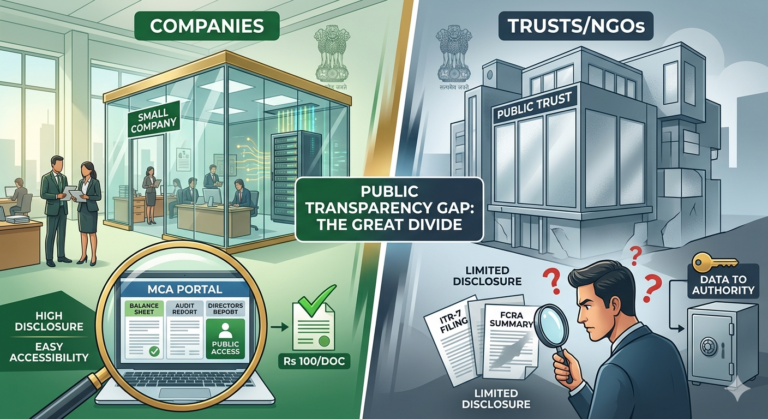
Why is it that a ₹10 lakh private company in India is a “glass house” accessible to anyone with ₹100, while a ₹50 crore public trust often remains a closed book? In this deep dive, we explore the striking “Transparency Gap” in India’s regulatory…

Form 16 and Form 26AS have been replaced from 1 April 2026.
This guide explains the new Form 130 and Form 168, their purpose, and how taxpayers should use them correctly to avoid errors while filing income tax returns…

Form 141 introduces a unified system for TDS reporting, replacing multiple forms for property purchase, rent, professional payments, and virtual digital assets. This guide explains applicability, filing process, practical changes, and common mistakes…
Understanding surcharge and cess is essential for accurate income tax computation—especially for high-income taxpayers. While most individuals focus only on slab rates, the real tax liability increases significantly once income crosses ₹50 lakh due…
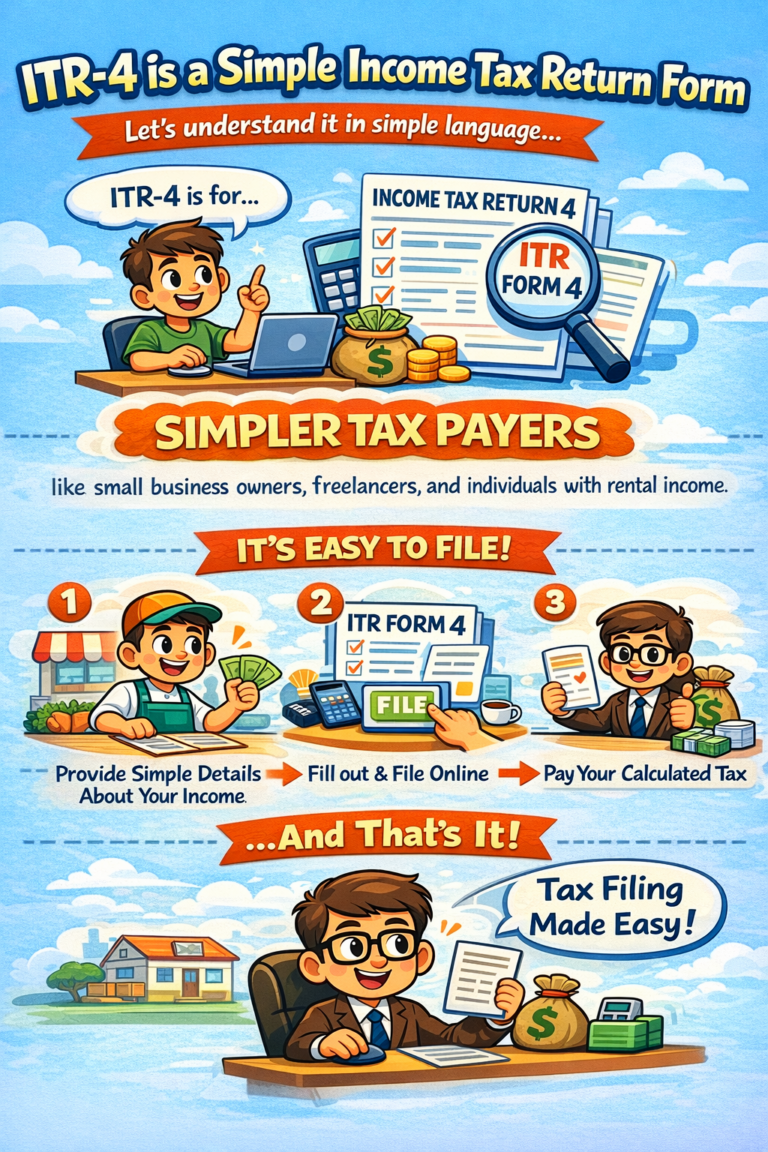
ITR-4 (Sugam) for AY 2026-27 is designed for small taxpayers opting for presumptive taxation under Section 44AD, Section 44ADA and Section 44AE. This guide explains eligibility conditions, latest changes including reporting of two house properties…
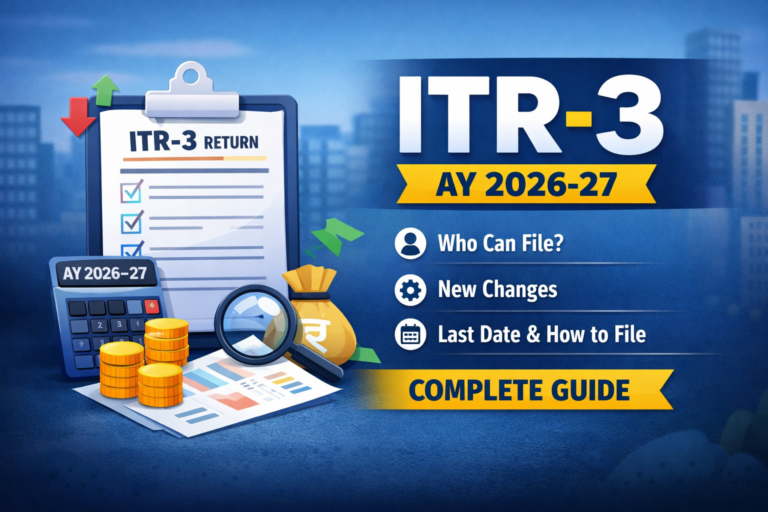
Filing ITR-3 for AY 2026–27 is mandatory for individuals and HUFs having income from business or profession, including freelancers, consultants, and traders. This year, key changes such as removal of capital gains date bifurcation, introduction of…
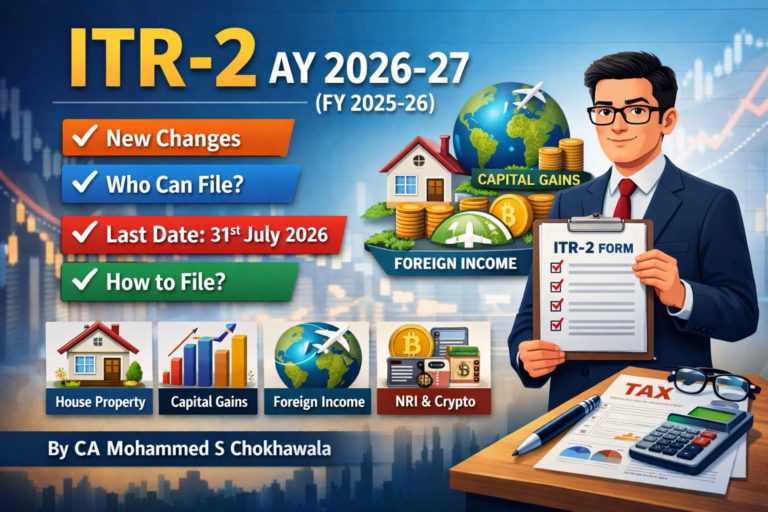
ITR-2 for AY 2026–27 brings key structural simplifications, especially in capital gains reporting and enhanced disclosure requirements for deductions like Section 80G. This guide provides a comprehensive breakdown of eligibility, latest changes, due…
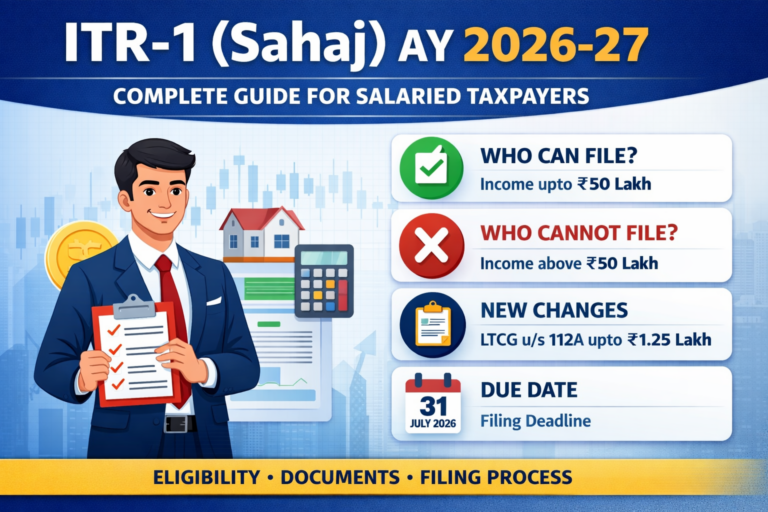
ITR-1 (Sahaj) for AY 2026-27 is the most commonly used return form for salaried individuals, but recent changes have made eligibility more nuanced. This guide covers who can file ITR-1, key updates like LTCG reporting under Section 112A, due dates…
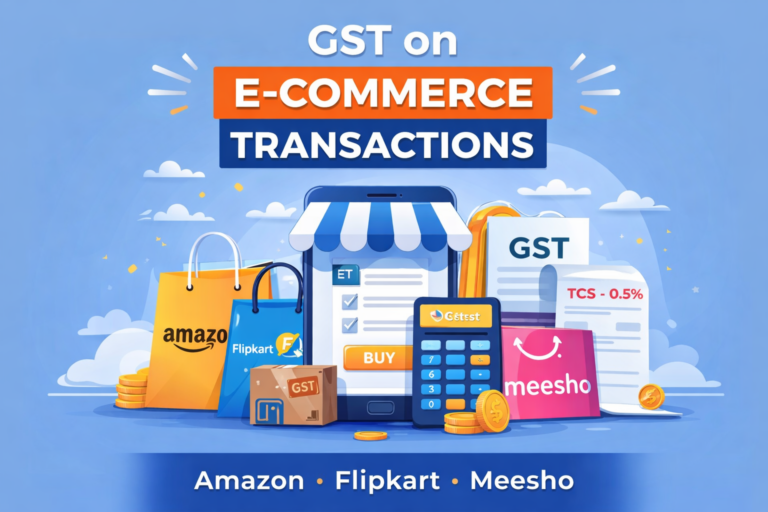
Understanding GST on e-commerce transactions doesn’t have to be complicated. This blog explains how GST works on platforms like Amazon, Flipkart, and Meesho in simple language with practical examples. Learn about TCS, who pays GST, and key rules…
